





Workplace safety supplies
Here are some of the common types of safety supplies needed at workplaces:
Medical professionals. Doctors, nurses and other medical professionals need supplies for their personal safety as well as for safety of their patients. Medical professionals deal with different kinds of patients everyday and are likely to get exposed to diseases where the chances of infection are high. Therefore, it is important that they take proper precautions before attending such patients. A wide range of safety equipments, such as gloves, face masks, aprons, use-and-throw coats and many other safety items.
Industrial workers. In the construction and manufacturing industries, the risk of accidents is high, and improper safety equipment can even cost employees' lives. Strong helmets, gloves and safety jackets are some safety products that are important for worker's safety. Fire extinguishers are another industrial safety supply item. On manufacturing sites, the chance of a small fire is common and in such cases in-house fire extinguishers can help put out fire easily.
Office first aid supplies. Every workplace needs an adequate supply of first aid items. A basic first aid kit should come with antibiotic ointments, pain killers, adhesive bandages and medicines for fever, headache and other common problems. It is important to periodically check first aid supplies to refill the products that run out, and replace items that have expired or will expire shortly.
For more information see: Personal protective equipment.
[edit] Related articles on Designing Buildings
Featured articles
Check out some of the best features and news from Designing Buildings as well as key stories from around the web.
The importance of early engagement

Construction lessons from the Trillium HealthWorks Experience Centre.
Mayors are to be given planning call in powers

Mayors across England will be able to make the most important planning decisions.

The Master Builder: William Butterfield and his times. Book review.

Why construction can't afford to ignore the skills gap.
Building Safety Regulator, 19 August

Gill Kernick appointed Independent Chair of Residents’ Panel.
Connecting knowledge, technology and conservation
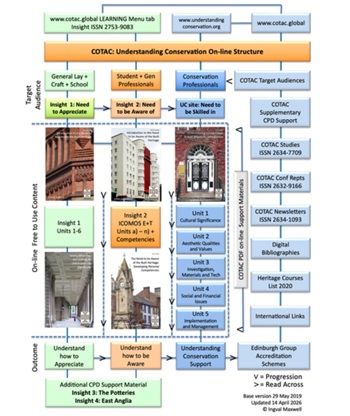
Building competence for the future of built heritage.
Building Regulations and Building Safety Act
CIOB publishes free advice for non-domestic clients.
Building Safety Newsletter from MHCLG.
An extraordinary record of steel engineering worldwide.

Households living near new pylons to save on bills.

ECA warns growth must not outpace grid capacity or skills.
The role of the client and decision making

CIOB response to built environment professions call for evidence.